
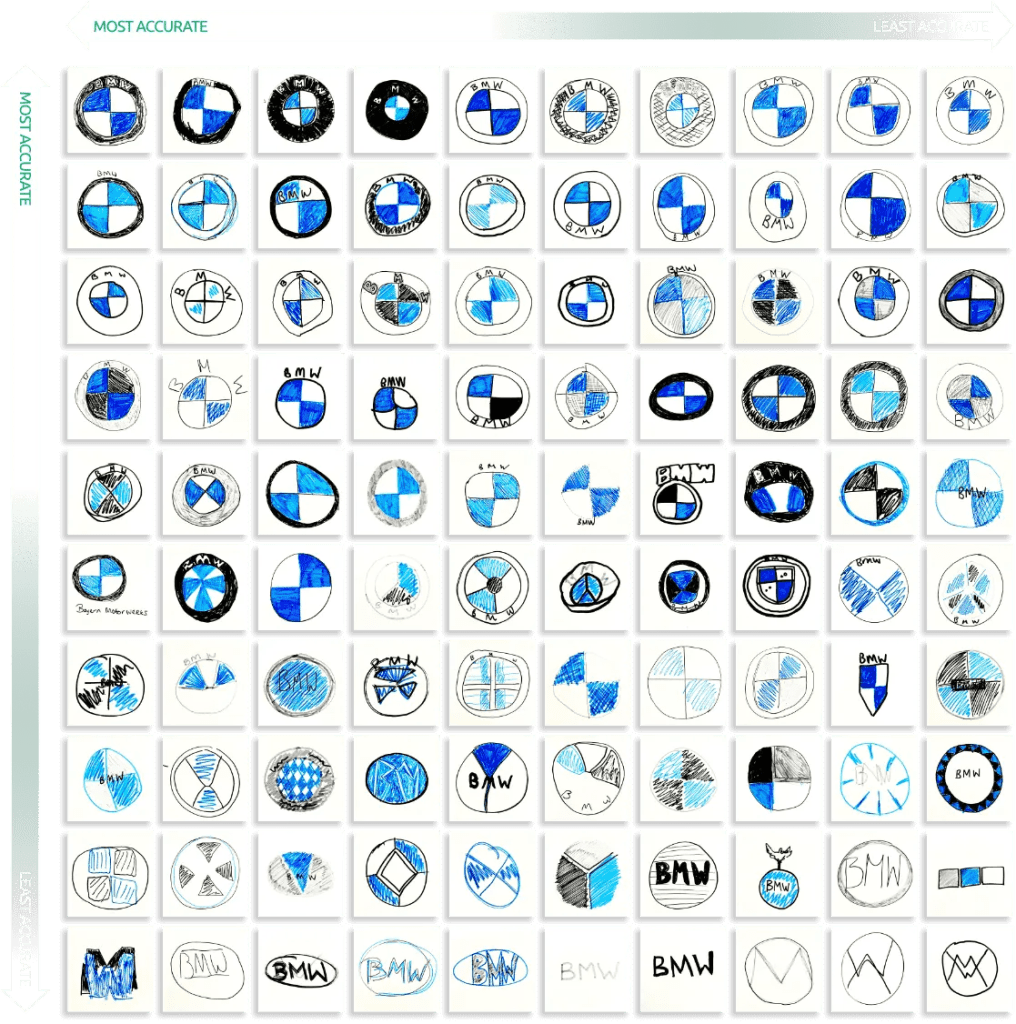
A very interesting study has been published in which 100 people were asked to draw the logos of 10 well-known automobile brands from memory, without being shown the actual logos. According to the results, 80% of participants correctly recalled the colors, 78% correctly recalled the shapes, while only 12% managed to accurately reproduce every detail of the logo.
Out of the 100 people who drew the BMW logo:
- 92% correctly recalled the blue and white color combination;
- 59% correctly recalled the segmented design;
- 7% did not draw the outer circular shape at all.
These findings illustrate how brand logos, and more broadly, product packaging and color can influence consumer choice.
Imagine a shelf lined with many products of the same category and similar name. Consumers will most often recognize and make their initial selection based on color. Therefore, manufacturers and service providers need to pay close attention to color choices during product development and when commissioning logo designs, taking demand-side perception into account.
Did you know that colors and color combinations can be protected as intellectual property right?
For example, Khan Bank (the biggest bank of Mongolia) has registered the color green as its trademark with the Intellectual Property Office for banking, finance, and business management services.
Such brand colors can be protected as trademarks only within specific fields and product or service classes.
As a result, the trademark owner gains exclusive rights to use that chosen COLOR within the relevant category of goods or services. In addition, because COLOR strongly enhances consumer recognition and influences choice, it also contributes to more efficient and cost-effective marketing and advertising efforts.
However…
If the color may change in the future, it is advisable to register the trademark in black and white with the Intellectual Property Office. This indicates that the trademark is protected regardless of color.
This is a re-publication of an article originally published on Medium on May 26, 2020 by Duurenjargal Sukhbat.
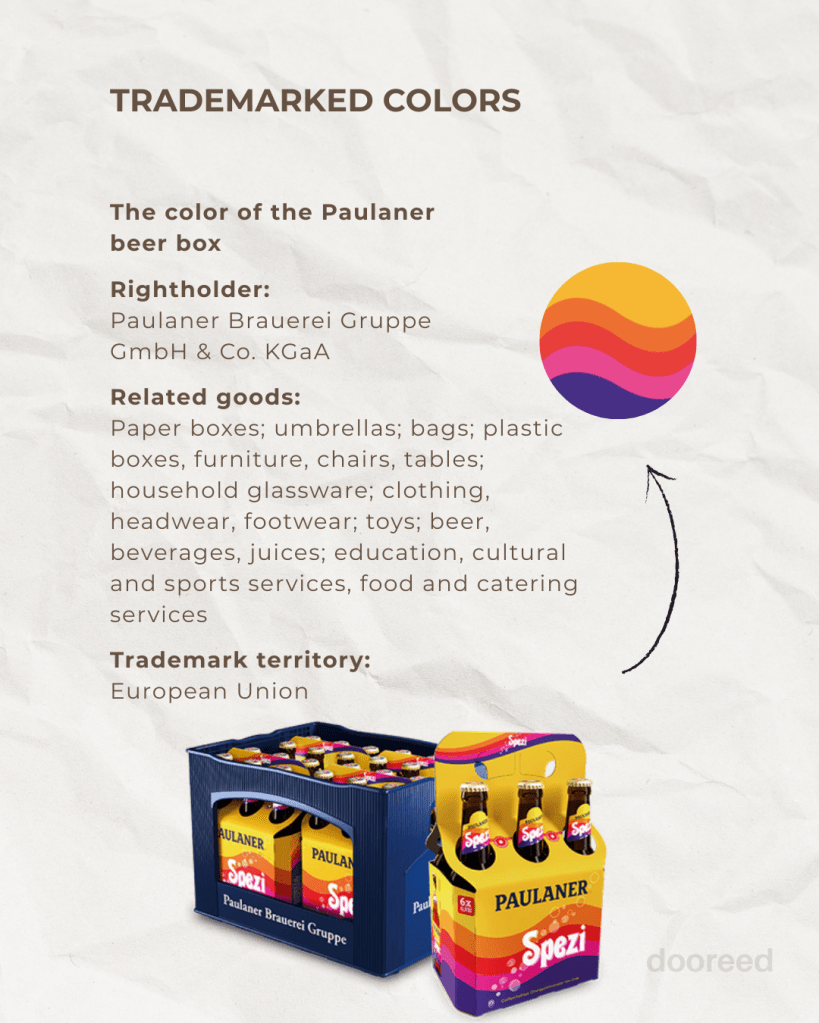
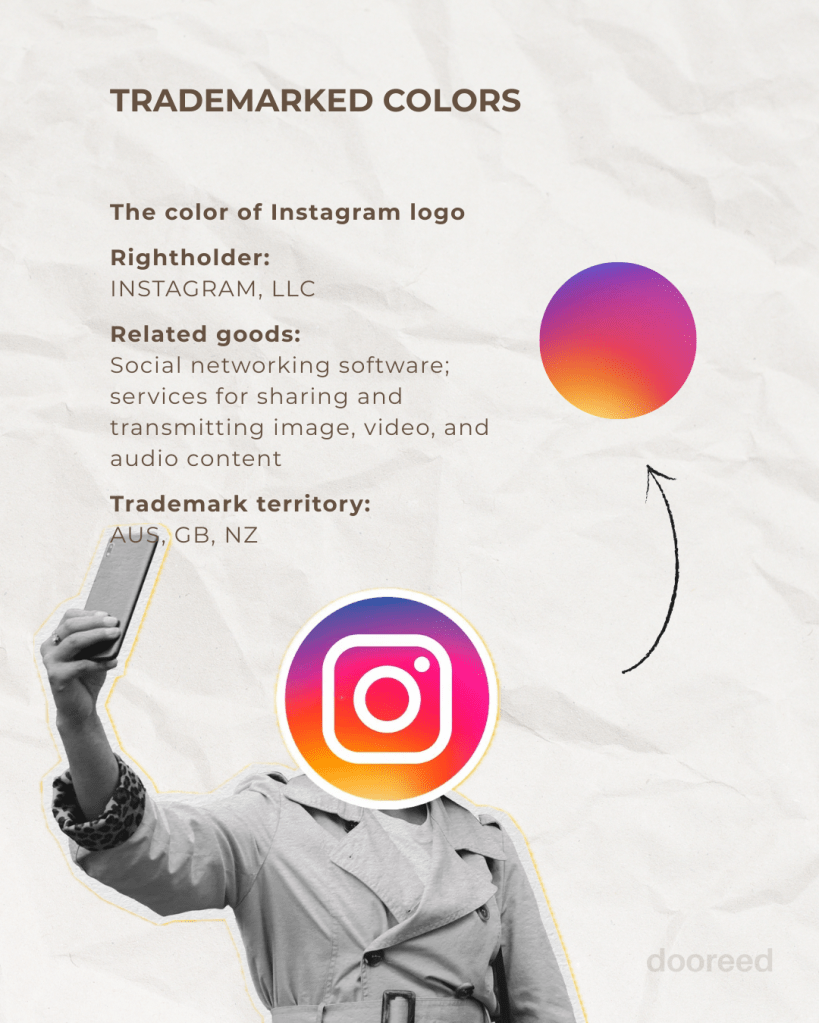
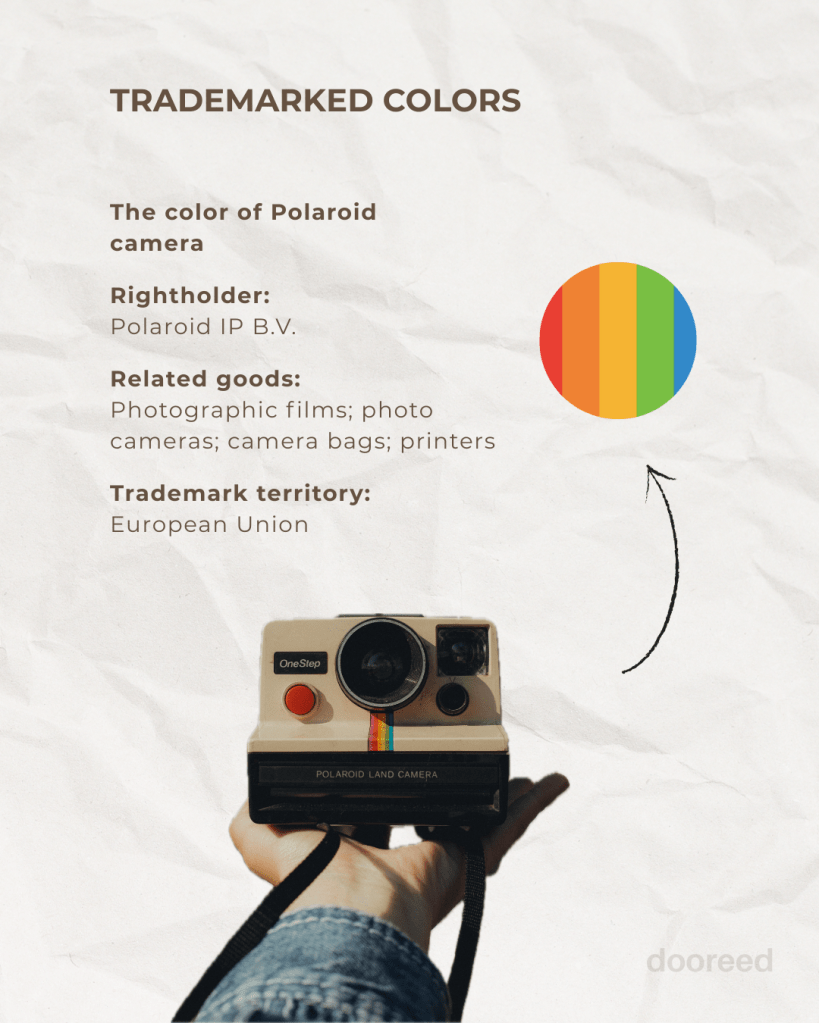
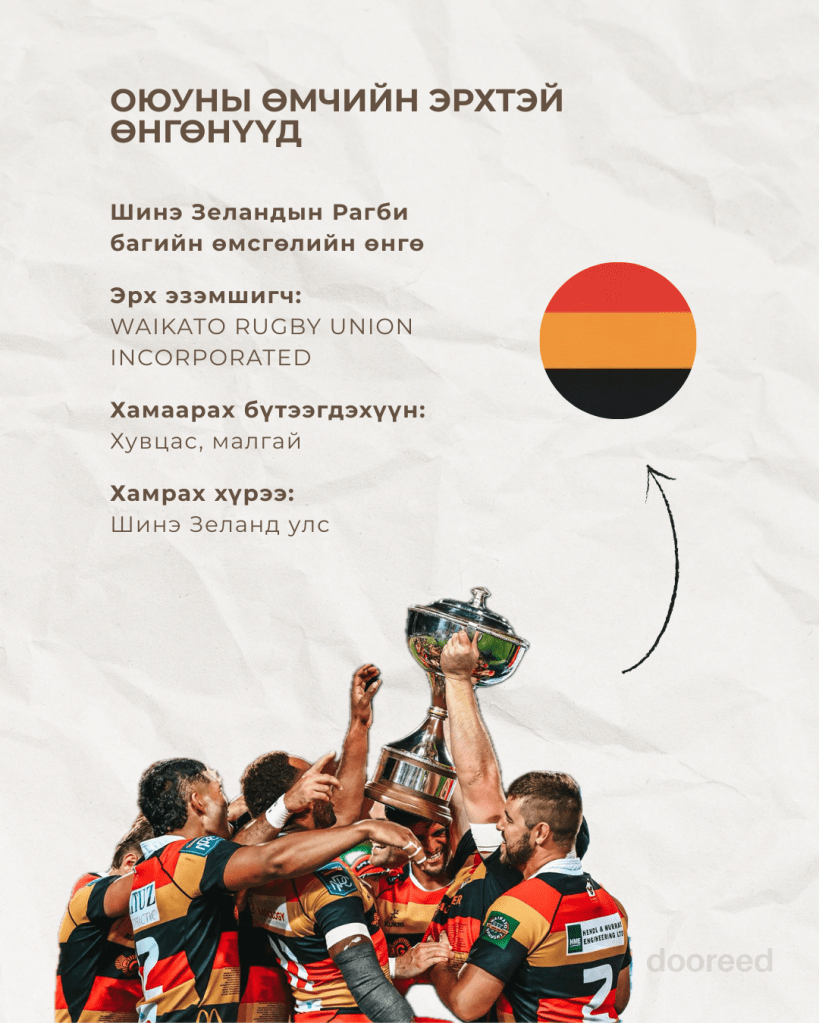
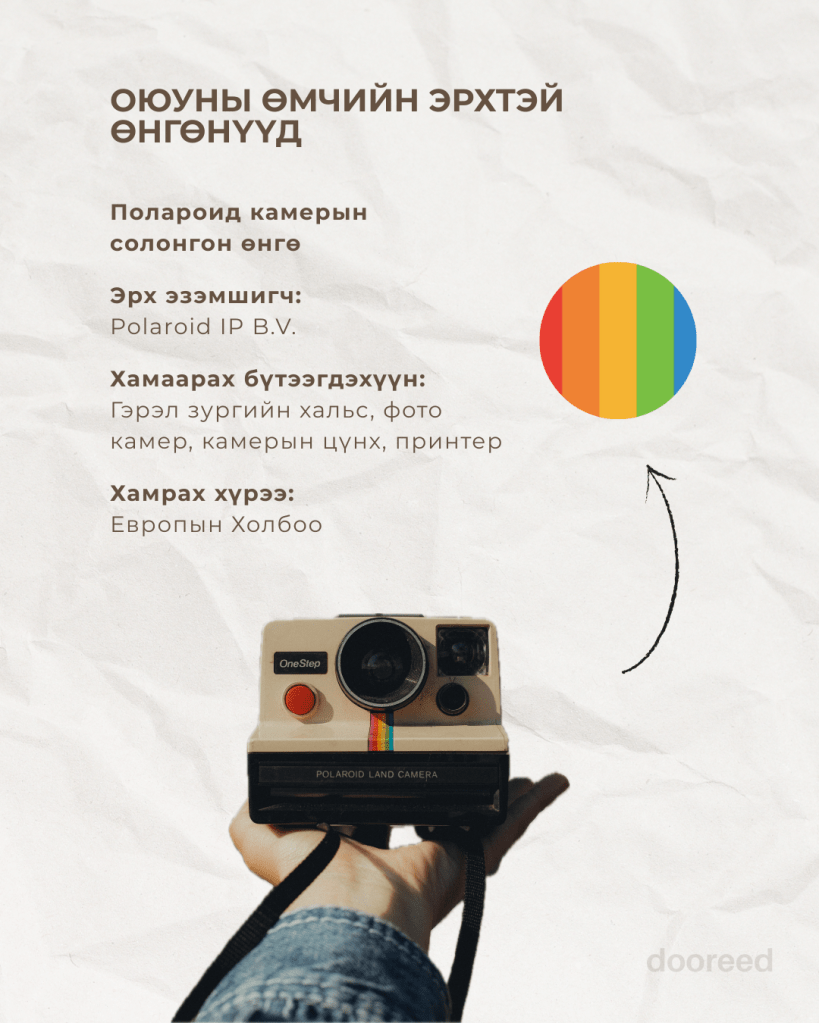
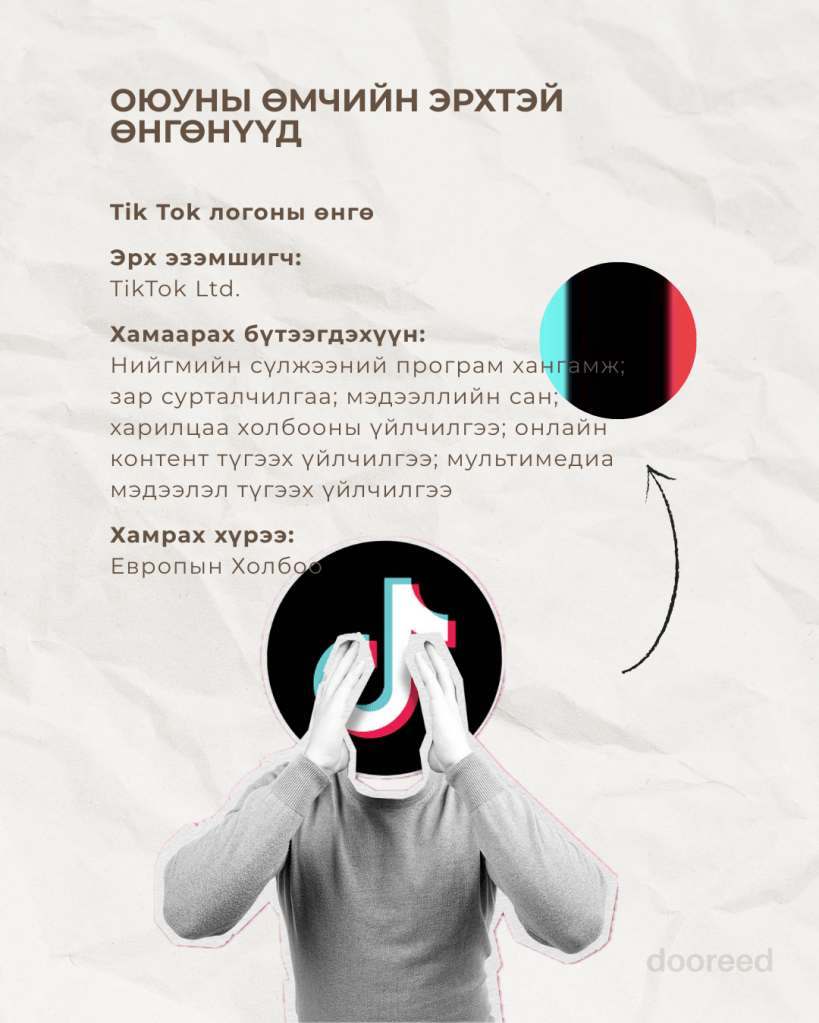
The examples of trademarked colors:


Логог нь харуулалгүйгээр алдартай 10 автомашины брэндийг 100 хүнээр зуруулсан тухай тун сонирхолтой судалгаа нийтлэгджээ. Судалгаанд оролцогчдын 80% нь өнгө, 78% нь хэлбэр, ердөө 12% нь логоны деталь бүрийг зөв тааж зурсан байна.
BMW автомашины логог зурсан 100 хүнээс:
- 92% нь цэнхэр, цагаан өнгөний хослолыг зөв тааж;
- 59% нь хуваагдсан дүрсийг зөв тааж;
- 7% — гадна талын дугуй дүрсийг огт зураагүй.
Энэ нь брэнд лого, цаашлаад бүтээгдэхүүний сав баглаа, боодлын өнгө худалдан авагчийн сонголтод хэрхэн нөлөөлж болохыг харуулж байна.
Лангуун дээр ижил нэр төрлийн олон бүтээгдэхүүн эгнээтэй байлаа гэж бодоход хэрэглэгч хамгийн эхэнд өнгөөр таньж сонголт хийнэ. Иймд үйлдвэрлэгч, үйлчилгээ эрхлэгчид бүтээгдэхүүн хөгжүүлэлтийн явцад, лого захиалж хийлгэхдээ ч тэр эрэлт талаас харгалзан үзэж өнгөнд нэлээдгүй анхаарал хандуулах хэрэгтэй.
Тэгвэл өнгө, өнгөний хослолыг оюуны өмчөөр хамгаалж болохыг мэдэх үү?
Жишээ нь банк, санхүү, бизнесийн удирдлагын чиглэлээр Хаан Банк ногоон өнгийг өөрийн барааны тэмдгээр Оюуны Өмчийн Газарт бүртгүүлсэн байдаг.
Зөвхөн тодорхой нэг чиглэл, нэр төрлийн бүтээгдэхүүний ангилалд тэрхүү сонгосон брэнд өнгөө барааны тэмдгээр хамгаалах боломжтой юм.
Ингэснээр тухайн нэр төрөл, бүтээгдэхүүн, үйлчилгээний ангилалд сонгосон ӨНГӨӨРӨӨ онцгой давуу эрхтэй байна. Үүнээс гадна ӨНГӨ хэрэглэгчдийн дунд танигдах, сонголтод нь хүчтэй нөлөөлж буй учраас маркетинг, зар сурталчилгааны зардалд ч нэмэртэй, хэмнэлттэй.
Гэхдээ..
Брэнд логоны хувьд өнгө чухал биш бөгөөд цаашид өнгө нь өөрчлөгдөхөөр бол Оюуны Өмчийн Газарт барааны тэмдгээ хар цагаанаар бүртгүүлэх нь зүйтэй. Энэ нь таны барааны тэмдэг бүх өнгөөр хамгаалагдахыг илэрхийлж буй юм.
2020 оны 5 дугаар сарын 26 өдөр Medium хуудаст нийтэлсэн бичвэрийг дахин нийтэллээ.
Оюуны өмчийн эрхийн хамгаалалттай өнгөнүүдийн жишээ:


 dooreed